 SectorFlow
Rules-Based Market Signals
SectorFlow
Rules-Based Market Signals
What Is Sector Rotation?
Sector rotation is one of the oldest and most studied strategies in investing. Instead of holding all sectors of the market equally, you shift more of your portfolio into the sectors that are currently leading — and away from those that are lagging. This page explains how it works, why it has historically outperformed, and the practical challenges of implementing it.

The basic idea
The stock market is not a monolith. It is divided into sectors — groups of companies in similar industries. At any point in time, some sectors are surging while others are stagnating. Energy might be leading while Technology lags, or vice versa.
Sector rotation takes advantage of this. Rather than owning everything equally (as a simple index fund does), a sector rotation strategy overweights the strongest sectors and underweights or exits the weakest ones.
The 11 S&P 500 sectors
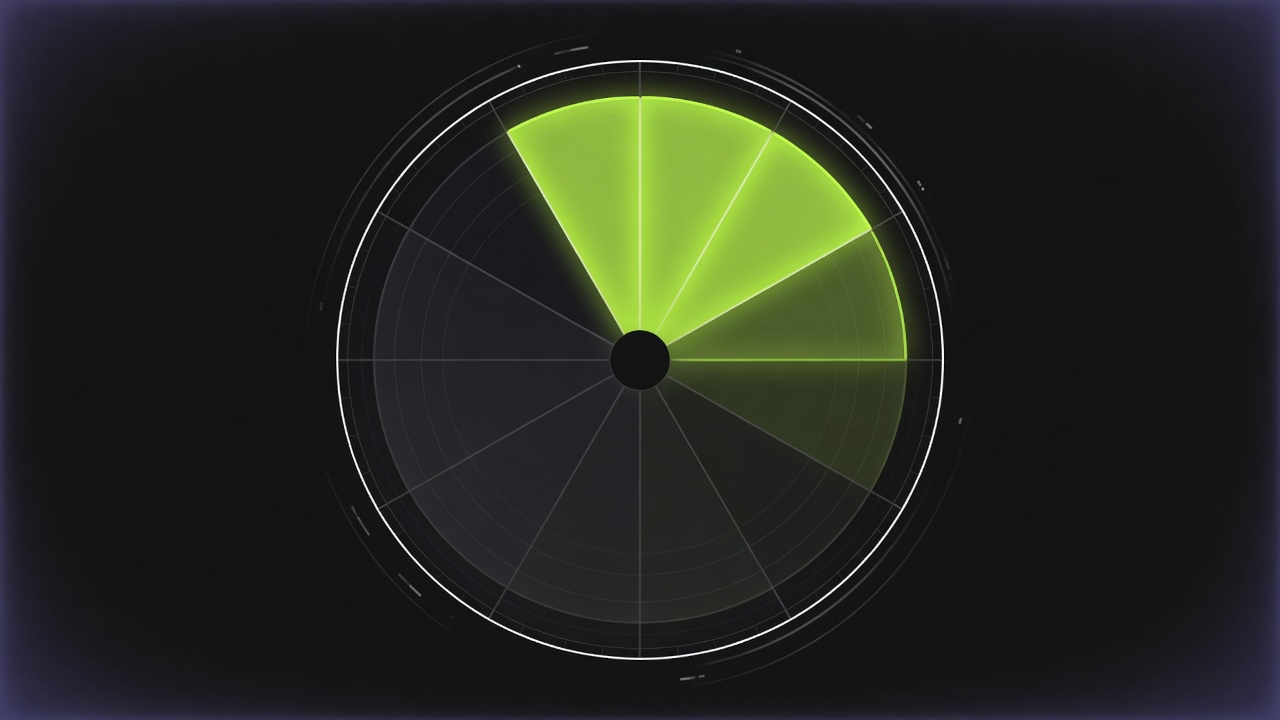
The S&P 500 is divided into 11 sectors under the GICS (Global Industry Classification Standard) system. Each has its own risk profile and economic sensitivity:
How signals are generated: momentum
There are several ways to decide which sectors to overweight. The most well-researched is price momentum — the observation that sectors (and stocks) that have performed well over the past 6–12 months tend to continue outperforming over the next 1–3 months.
This is not a guarantee. Momentum can reverse. But across decades of academic literature and live fund results, momentum-based rotation has shown persistent risk-adjusted outperformance over simple buy-and-hold strategies.
- measure each sector's price return over the past 6–12 months
- exclude the most recent 1–3 weeks (avoids short-term reversal noise)
- rank sectors from strongest to weakest
- overweight the top-ranked sectors, exit the bottom-ranked ones
The practical challenges
Sector rotation sounds simple. In practice, four things trip up most investors:
- Timing decisions consistently — human judgment leads to inconsistency. Rules eliminate this.
- Avoiding over-concentration — top momentum sectors often cluster. A system needs hard concentration limits.
- Transaction costs — rotating too frequently can erode any edge through spreads, commissions, and tax drag.
- Staying disciplined through drawdowns — even a working strategy will underperform for months. Most investors bail at the worst time.
This is why systematic, rules-based approaches to sector rotation have an advantage over discretionary ones: the rules remove the emotional decision-making.
Going beyond sectors: stock-level rotation
SectorFlow extends the sector rotation idea to individual stocks. Rather than rotating between 11 sector ETFs, it ranks individual S&P 500 stocks by momentum, selects the top picks, and enforces sector concentration limits to ensure the portfolio remains diversified.
This provides more granularity — the ability to own the strongest stocks within a leading sector, not just the sector average — while keeping sector concentration limits as a guardrail against excessive concentration.
SectorFlow live paper results — since January 29, 2026
These are not backtest numbers. This is real paper trading using actual daily market prices, published every trading day.
Frequently Asked Questions
What is sector rotation?
Sector rotation shifts portfolio weight between market sectors based on signals like price momentum, economic cycle stage, or relative strength. The goal is to be overweight leading sectors and underweight lagging ones.
Does sector rotation beat the S&P 500?
Systematic sector rotation strategies have historically shown the ability to outperform a simple buy-and-hold S&P 500 approach in academic research. However, results vary significantly by methodology, time period, and market conditions. There is no guarantee of outperformance.
What are the 11 GICS sectors?
Information Technology, Healthcare, Financials, Consumer Discretionary, Communication Services, Industrials, Consumer Staples, Energy, Utilities, Real Estate, and Materials.
How often should you rotate sectors?
Most systematic strategies rebalance monthly or quarterly. More frequent trading increases transaction costs and tax drag. The optimal cadence depends on the signals used. SectorFlow rebalances approximately every 84 days.
Can I implement sector rotation myself?
Yes — in principle. You need a momentum ranking methodology, a rebalance schedule, concentration rules, and the discipline to follow the system through drawdowns. The main challenge is consistency, which is why systematic services exist.
Get Sector Rotation Signals Delivered to Your Inbox
SectorFlow runs this strategy automatically and emails you clear rebalance actions. Join the beta waitlist for early access.